




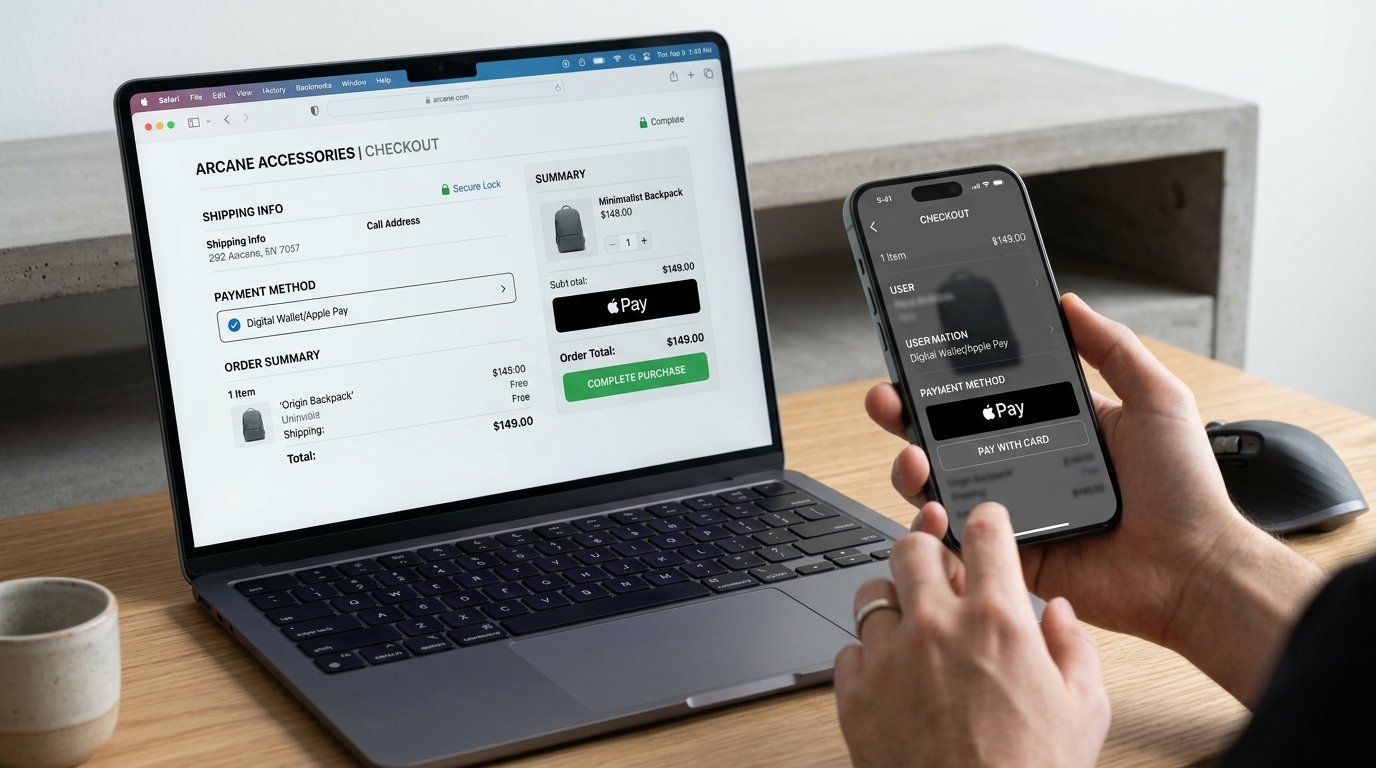
The average e-commerce checkout abandonment rate across global retail currently hovers at a staggering 70.19%, surging to over 85% on mobile devices. For an online brand generating $10M in annual sales, recovering just 5% of those abandoned checkouts injects over $500,000 directly into operating profit without spending an additional cent on paid advertising.
Checkout is the ultimate moment of truth. Every unexpected shipping fee, mandatory account creation wall, or clunky credit card input field acts as an exit ramp for eager buyers. Here is how modern e-commerce leaders optimize their checkout funnels for maximum transaction throughput.
High-Impact Checkout Interventions
- Mandate Frictionless Guest Checkout: 24% of shoppers abandon purchases immediately if forced to create an account. Make guest checkout the prominent default path.
- Deploy Express Wallets Above the Fold: Apple Pay, Google Pay, and Shop Pay eliminate 16 form fields and increase mobile checkout conversion by 34%.
- Real-Time Address Verification API: Utilize Google Places or Loqate to auto-populate shipping fields in 3 keystrokes, slashing address typing errors by 90%.
- Total Upfront Cost Transparency: Display estimated shipping, duties, and taxes in the slide-out cart drawer before entering the checkout domain.
1. The Multi-Trillion Dollar Abandonment Problem
According to research by the Baymard Institute, the primary drivers of checkout abandonment remain remarkably consistent: extra fees calculated too late (48%), forced registration (24%), delivery times too slow (22%), and complicated checkout procedures (18%). Every one of these friction vectors is solvable through disciplined UI/UX engineering.
“Checkout is not the place for creative design experiments. It is the place for ruthless, frictionless, muscle-memory execution.”
— Vikramaditya Shah, E-Commerce Solutions Director at Ondigma Infotech
2. Express Digital Wallets: The 1-Tap Revolution
In 2026, forcing a customer on a mobile phone to retrieve a physical plastic credit card from their wallet is fatal to conversion. Implementing accelerated wallet buttons directly on the product detail page (PDP) and cart drawer bypasses the entire checkout form entirely:
| Payment Method | Average Keystrokes Required | Average Time to Complete | Observed Mobile Conversion Lift |
|---|---|---|---|
| Apple Pay / Google Pay | 0 keystrokes (Biometric FaceID) | 6.2 seconds | +38.4% Lift |
| Shop Pay / Klarna 1-Tap | 1 SMS code (6 digits) | 14.8 seconds | +27.1% Lift |
| Standard Credit Card Form | 28 keystrokes (Name, CC#, Exp, CVV) | 92.5 seconds | Baseline (0%) |
3. One-Page Checkout vs. Multi-Step Accordions
While one-page checkouts reduce perceived effort, poorly designed single-page layouts can overwhelm shoppers with massive vertical walls of fields. The modern gold standard is a dynamic 3-step progressive accordion:
- Step 1: Contact & Shipping Address: Clean, uncluttered layout with address autocomplete.
- Step 2: Shipping Method Selection: Transparent delivery dates (e.g., “Arrives Thursday, Oct 24”) rather than ambiguous labels like “Standard Shipping.”
- Step 3: Secure Payment: Credit card, PayPal, or Buy Now Pay Later (BNPL) options with SSL security badges.
4. Form Field Reductions & Address Auto-Complete
Every field removed directly correlates with increased completion rates:
- Consolidate Full Name: Replace "First Name" and "Last Name" with a single "Full Name" field.
- Auto-Detect Card Brand: Never ask users to manually select Visa or Mastercard; detect it automatically from the IIN prefix.
- Default Billing Address: Automatically check "Billing address same as shipping" (applies to 96% of retail orders).
5. Post-Purchase 1-Click Upsell Engineering
Never disrupt the checkout flow with aggressive pre-purchase modals that risk cart abandonment. Instead, present high-relevance complementary products on the thank-you screen using 1-click tokenized payment authorization. This tactic routinely increases Average Order Value (AOV) by 15% to 22% with zero checkout friction.

Discussion (7 Contributions)
Aarav Sharma
Incredible operational clarity in this article. We are currently implementing these exact frameworks across our team's upcoming sprint.
Leave a Contribution
Your email address will not be published. Required fields are marked with *